


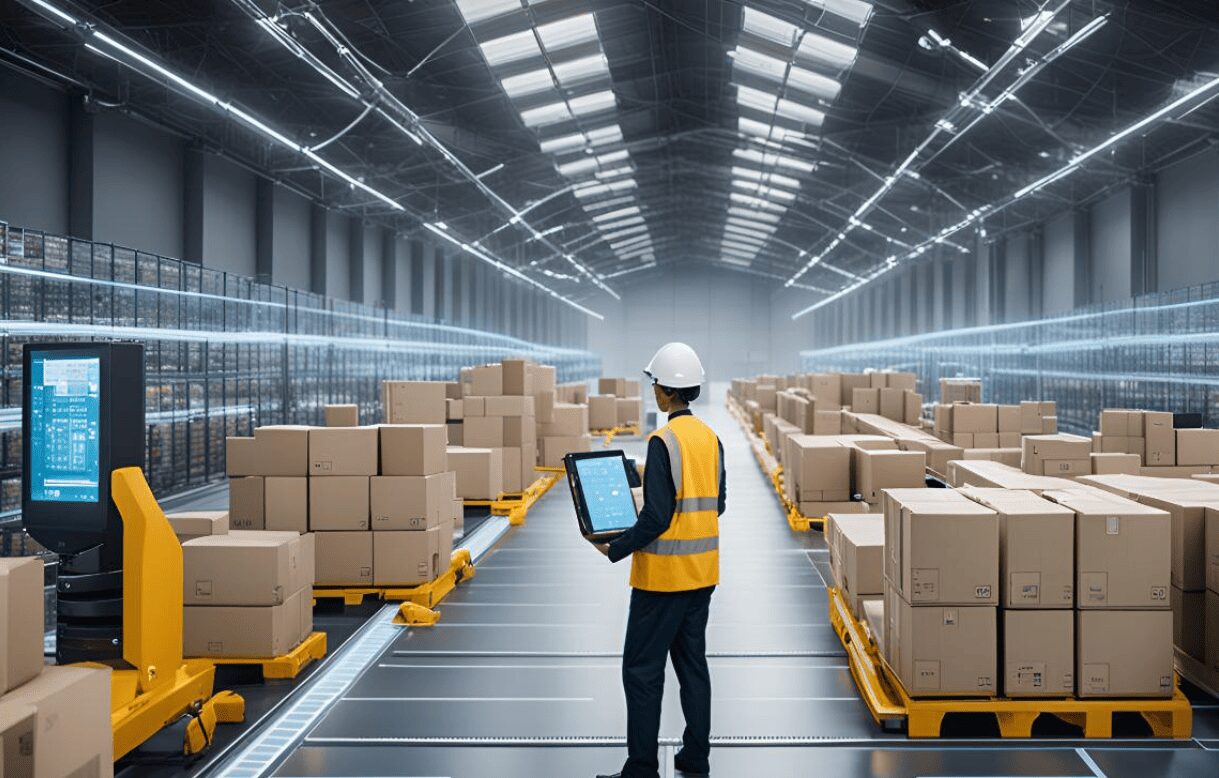
The Rise of Intelligent ERPs: Revolutionizing Supply Chain Management
At the dawn of the 21st century, digital transformation has brought about a disruption in supply chain management. ERP systems, initially seen as mere operational management tools, have evolved to become advanced platforms integrating advanced technologies such as artificial intelligence (AI) and machine learning. This shift goes far beyond mere advanced technological optimization; it represents a vital strategic imperative for companies seeking to adapt to a continuously transforming business ecosystem.
How have ERPs Evolved Over the Last 20 Years?
To understand the impact of intelligent ERPs, it is essential to examine their evolution over the past two decades. In the 2000s, these systems primarily focused on automating internal processes, thereby limiting their scope and ability to interact with external data. Today, modern ERPs leverage cloud computing to manage massive volumes of information and provide real-time analytics. This transformation has enabled companies to gain increased visibility across their entire supply chain.
Studies by McKinsey reveal that companies using intelligent ERPs experience a 20% improvement in the accuracy of their demand forecasts. This gain in agility translates into a significant reduction in surplus and stockouts, leading to a decrease in inventory management costs. For example, a retail company recently migrated to an intelligent ERP and, thanks to real-time adjustments, reduced its inventory costs by 25% while increasing customer satisfaction by 30%, as measured by the Net Promoter Score (NPS).
But why is automation crucial for operational excellence?
Automation has become a central pillar of next-generation comprehensive enterprise management solutions. By eliminating repetitive tasks and minimizing human errors, companies not only improve their operational performance but also free up resources for higher-impact strategic activities. An Accenture report highlights that advanced automation of order management, inventory management, and invoicing processes can reduce operating costs by 30%.
A striking example is that of an equipment manufacturer who integrated an ERP with advanced automation functionalities. This change allowed them to reduce order processing times from 48 hours to just 4 hours, thereby decreasing labor costs associated with order processing while improving customer service, which led to a 15% increase in customer retention rate.
Furthermore, real-time analytics is emerging as a key advancement in intelligent ERPs. Through dynamic dashboards, these systems offer unparalleled visibility into operations, enabling companies to make informed decisions quickly. Data shows that companies leveraging ERPs with real-time analytics capabilities see a 15% increase in their responsiveness to customer demands. A study conducted by IDC revealed that these companies can also reduce their operating costs by 20% by optimizing their resource management.
This instant analytical capability also allows for rapid identification of bottlenecks in production or logistics flows, thereby facilitating proactive interventions. For example, an automotive supplier used real-time dashboards to resolve production issues in less than 24 hours, thus reducing opportunity costs resulting from operational setbacks.
Integration and Flexibility: Adapting ERPs to Specific Needs to Maximize Their Impact
It is therefore clear that integrating intelligent ERPs with complementary solutions, such as Business Intelligence (BI) tools and Customer Relationship Management (CRM) systems, is essential to maximize their impact. This flexibility allows for a coherent view of operations and rapid adaptation of strategies to changing market needs. Studies indicate that 60% of companies observe an improvement in data consistency through successful ERP system integration.
However, for this integration to be truly effective, it must be accompanied by change management within the organization. By training users to master these integrated solutions, companies can improve synergy between different departments, which fosters faster and more informed decision-making. A logistics company, for example, integrated its ERP system with its customer relationship management tools, thereby allowing real-time access to order status information and improving communication, which reduced customer response time by 20%.
The concrete results of implementing this new generation of ERPs are reflected in numerous company successes. These shared examples show that these initiatives are much more than a simple digital transformation; they are a strategic investment in the future of businesses.
How to Prepare Talent to Support These Evolutions?
To ensure the success of an ERP project, it is essential to consider several key factors. The selection of an adequate pilot entity, strong sponsorship at all levels, and a business-centric approach are fundamental. Furthermore, change management must be anticipated and proactively led, actively engaging teams from the initial phase. Continuous improvement of the system is indispensable to adapt to the company’s evolutions.
It is in this context that partners like Althéa provide valuable expertise by assisting organizations in defining their digital transformation strategy, selecting the most suitable solutions, and implementing customized training plans. By combining these elements, companies can optimize their return on investment and maximize the benefits of their ERP projects.
Do not hesitate to contact us to discuss your project: contact@althea-groupe.com
References
- Gartner – Magic Quadrant for Cloud ERP for Product-Centric Enterprises. Available on Gartner.
- McKinsey – The Impact of Digital Transformation on Supply Chain Management. Available on McKinsey.
- Accenture – The Rise of AI in ERP: What It Means for Your Business. Available on Accenture.
- IDC – The Future of Intelligence in ERP. Available on IDC.
- Cylad Consulting – Digital Transformation in Supply Chain Management: A Guide to Intelligent ERP. Available on Cylad Consulting.
- Oracle – Success Stories: Transforming Supply Chain Management with Oracle ERP Cloud. Available on Oracle.