


by Sandra Merlot (Payroll Expert) and Magali Covain (Associate Director)
published on 2025-08-22
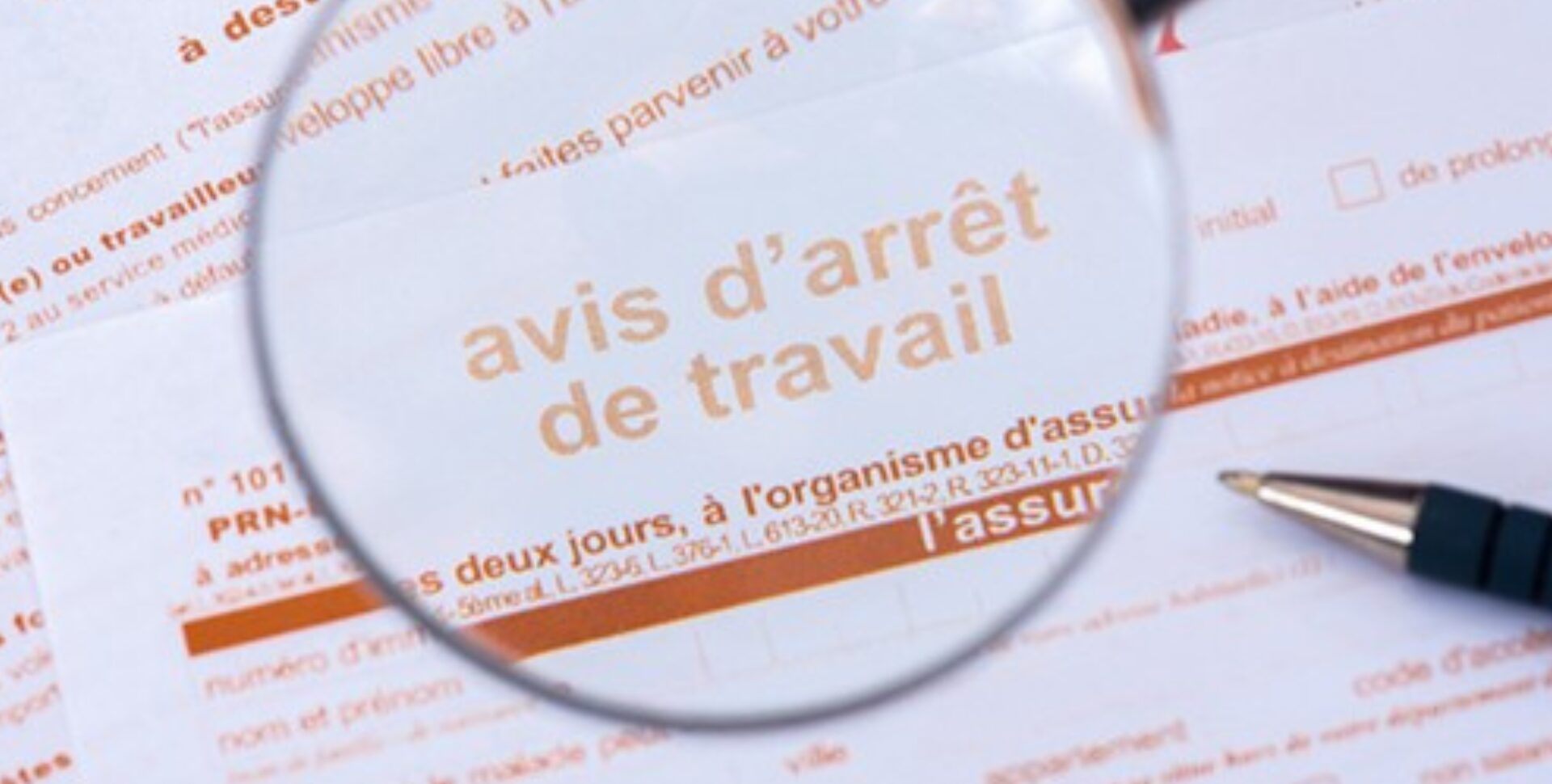
Since July 1, 2025, the use of the secure paper Cerfa form version 10170*08 has been mandatory for all work disability leave prescribed by the medical profession. This change aims to strengthen the fight against work disability fraud, estimated at €30M in 2024 (compared to €8M in 2023) – source: ameli.fr.
Context
During a medical consultation, the work disability notice is generally already sent in a digital and secure manner to the Health Insurance system via the Amelipro platform, as 8 out of 10 so-called “e-AAT” notices are already issued electronically by prescribers.
This transmission not only allows for shorter processing times but also enhanced security conditions.
However, in certain cases (such as home visits), the prescriber may still be required to provide the patient with the paper version of the Cerfa work disability form and its 3 copies: copies 1 and 2 to be sent to the Health Insurance system, and copy 3 for the employer (or France Travail).
These non-secure paper forms have historically led to significant sick leave fraud, and while their use may continue for a short time, it will be significantly more regulated as of September 1, 2025.
From a practical standpoint, what is changing?
- If the work disability notice is not prescribed digitally, healthcare professionals must now, since July 1, use a secure Cerfa form in version 10170*08, which they have had the opportunity to test as it has been available to them since September 2024 on Amelipro.
- This form is approved with specific features that now include 7 authentication points (e.g., a non-photocopiable holographic label, QR codes, magnetic ink, fluorescent strips, etc.).
- The signed original is given to the patient to send copies 1 and 2 to their CPAM (Local Health Insurance Fund) and copy 3 to their employer.
A transitional period in July and August 2025
- A grace period applies in July and August 2025.
- During this period, non-secure paper forms will continue to be accepted to allow healthcare professionals time to adapt.
As of September 1, 2025, any non-secure form will be rejected by the Health Insurance system
- Non-secure paper notices will be rejected and returned to the prescriber.
- The patient will be informed and must have the prescriber issue a new, compliant form.
- Otherwise, the leave will not be compensated because any scan or photocopy of a notice will be considered a fake AAT.
⚠️ The CPAM takes this opportunity to remind everyone of the penalties incurred for forgery and the use of forged AATs: reimbursement of daily allowances received, and even criminal sanctions of up to 5 years’ imprisonment and a €375,000 fine in cases of large-scale action or recidivism.
Magali Covain, Payroll Management Director, Althéa
What are the impacts for you as employers?
- Lack of compensation: without acceptance of the notice by the CPAM (Local Health Insurance Fund), no payment of IJ (Daily Allowances) will be triggered: neither to the employee nor to the employer in the case of subrogation;
- Vigilance regarding salary maintenance paid / subrogated IJ: if the employer pays or deducts but the IJ are ultimately not paid by the CPAM, the employer suffers a cost that is often significant;
- Administrative tasks: informing and retrieving the AAT can be time-consuming, involving follow-ups with the employee, exchanges with the CPAM, monitoring on Net-entreprises… an ever-increasing workload for payroll departments;
- Event-based DSN flows: these are, of course, maintained.
Executive Summary
| Situation | Consequences for the employer | Our advice |
| Non-secure AAT | Case rejection → no IJ payment → salary maintenance without recovery → financial losses + increased administrative burden. | Check the version of the notice for format 10170*08, with hologram and QR codes. If missing: if possible, wait for the correction before launching salary maintenance in payroll. If necessary: raise awareness and communicate with employees. Nothing prevents you from creating the salary certificate/event-based DSN to meet deadlines, but in the absence of IJSS triggering, salary maintenance is not expected. |
| e-AAT or secure paper AAT without subrogation | IJ paid to the employee → salary maintenance covered by the employer where applicable | Retrieve IJSS statements and compare with pre-calculations for adjustment where necessary |
| e-AAT or secure paper AAT with subrogation | IJ paid to the employer → salary maintenance covered → cash flow gain + less manual management | Net-entreprises monitoring – IJSS verifications and reconciliations |
| Absence of notice processing by the CPAM | Delayed or missing payment → increased HR responsibility and possible salary tensions if paid amounts must be recovered | Net-entreprises monitoring – CPAM follow-ups to anticipate maintenance performed – IJSS reconciliations – payroll adjustments |
⚠️ Employers and employees, be prepared for this change in procedure and pay attention to the form and nature of documents issued and received starting today!
If necessary: do not hesitate to raise awareness and communicate with your employees!
Sources: Health Insurance – News from June 27, 2025
References:
- Decree 2025-587 of June 28, 2025, published in the Official Journal on June 29
- Articles R321-1 et seq. of the Social Security Code
- Articles L1226-1 et seq. of the Labor Code